

Credit scores play a crucial role in determining an individual’s financial standing. A higher credit score can lead to better loan terms, lower interest rates, and increased chances of credit approval. Understanding how these scores are calculated and what factors influence them is essential for anyone looking to improve their financial health.
Many people may not realise that small changes in financial behaviour can significantly impact their credit score over time. By maintaining a timely payment history, reducing outstanding debt, and being mindful of credit utilisation, they can enhance their creditworthiness. This blog post will explore practical strategies for improving credit scores and unlocking access to better financial opportunities.
Navigating the world of credit can seem daunting, but with the right knowledge, anyone can take control of their credit profile. Armed with a clear understanding of credit scores, readers will be empowered to make informed decisions that benefit their long-term financial goals.
Understanding Credit Scores
Credit scores are essential indicators of an individual’s creditworthiness. They influence financial opportunities, such as loan approvals, interest rates, and rental applications. Credit reference agencies play a significant role in calculating and maintaining these scores, which reflect an individual’s financial behaviour.
What Is a Credit Score?
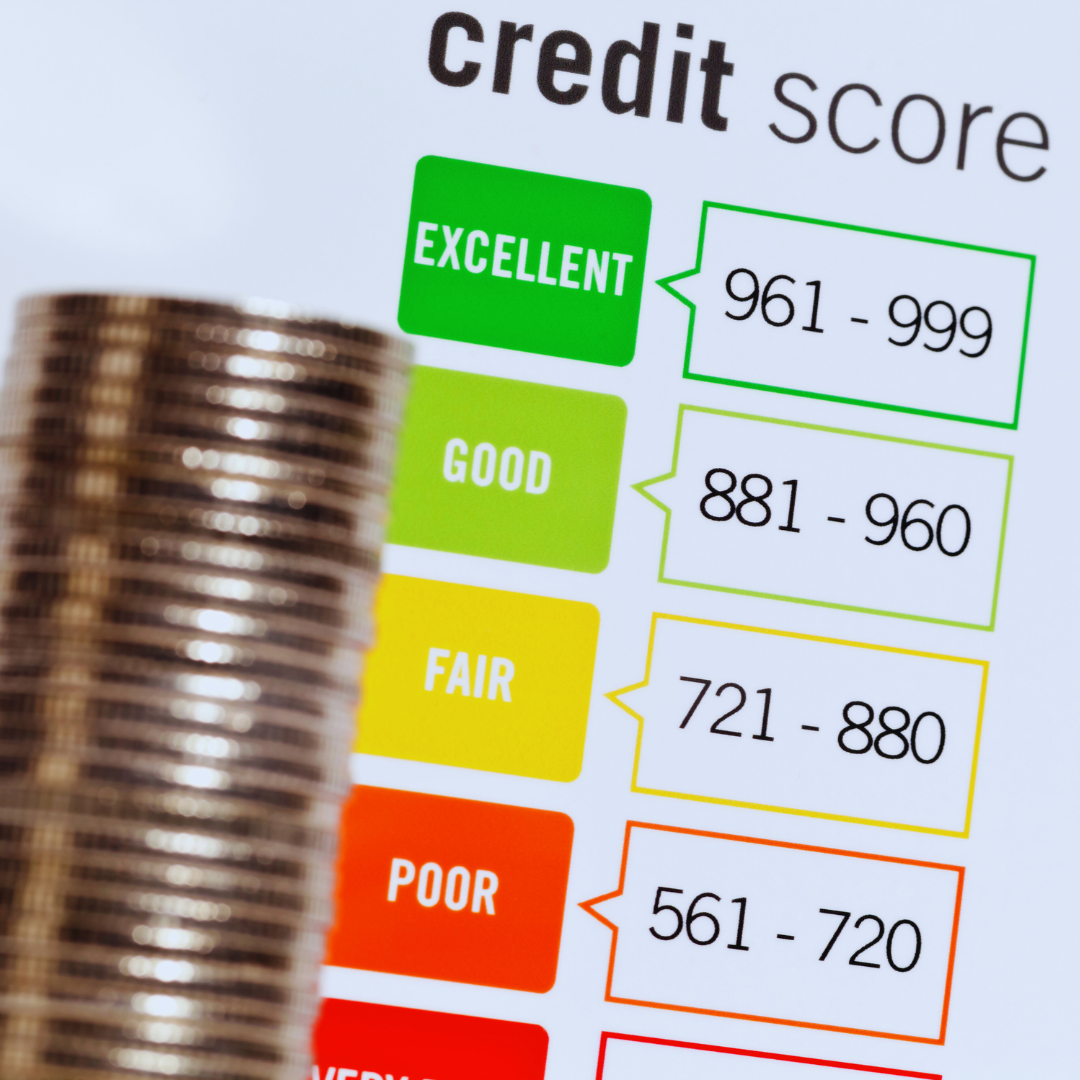
A credit score is a numerical representation of a person’s creditworthiness, typically ranging from 300 to 850. This score is generated by credit reference agencies like Experian, Equifax, and TransUnion. It is based on various factors, including payment history, outstanding debts, length of credit history, types of credit used, and recent credit inquiries.
Higher credit scores suggest reliability in managing debt, while lower scores indicate potential risks for lenders. Understanding this metric is crucial for individuals seeking to manage their finances effectively.
How Credit Reference Agencies Calculate Scores
Credit reference agencies employ proprietary algorithms to assess an individual’s data and generate a score. Key factors influencing the score include:
- Payment History (35%): Consistent, on-time payments positively impact the score.
- Credit Utilisation (30%): Maintaining low balances relative to credit limits is beneficial.
- Length of Credit History (15%): Longer credit histories can enhance scores.
- Types of Credit (10%): A mix of credit types, including credit cards and loans, is advantageous.
- New Credit (10%): Frequent credit applications may lower scores.
Each agency might weigh these factors differently, resulting in slight score variations.
The Impact of Credit Scores on Financial Opportunities
Credit scores significantly affect an individual’s financial options. Higher scores lead to better loan conditions, including:
- Lower Interest Rates: Individuals with strong scores often receive more favourable rates.
- Higher Approval Chances: Lenders are more likely to approve loans for those with good scores.
- Better Rental Opportunities: Landlords may check credit scores to evaluate prospective tenants.
Conversely, low scores can restrict access to credit and lead to higher costs. It is essential for individuals to monitor their scores regularly and understand the implications on their financial health.
Factors That Affect Your Credit Score
Several key elements influence an individual’s credit score. Understanding these components can help individuals manage and improve their scores effectively.
Payment History and Missed Payments
Payment history is the most significant factor affecting a credit score, accounting for approximately 35% of the score. Timely payments demonstrate reliability to creditors. Missed payments, defaults, and late payments can significantly lower a credit score.
For instance, a single missed payment can remain on a credit report for up to six years. Frequent late payments may indicate financial trouble, further harming creditworthiness. It is essential to set up reminders or automatic payments to ensure bills are paid on time. Maintaining a consistent payment record is critical for a healthy credit score.
Credit Utilisation Ratio and Debts
The credit utilisation ratio refers to the percentage of available credit being used. This factor comprises around 30% of a credit score. A lower ratio indicates responsible credit use, while a higher ratio suggests potential risk to lenders.
For example, if an individual has a credit limit of £10,000 and owes £2,000, their credit utilisation is 20%. Financial experts recommend keeping this ratio below 30% to maintain a good score. Individuals with high debt levels should consider paying down balances to improve this ratio, even if they consistently make payments on time.
Length and Types of Credit History
Credit history length contributes approximately 15% to a credit score. This factor considers how long various credit accounts have been active. A longer credit history can benefit an individual’s score as it demonstrates experience in managing credit.
Additionally, the types of credit held play a role. A mix of credit accounts, including credit cards, mortgages, and personal loans, can positively impact the score. Diversifying types of credit shows lenders that an individual can handle various financial responsibilities.
New Credit Applications and Credit Limits
New credit applications can affect a credit score as they may indicate financial instability. Each time an individual applies for credit, a hard inquiry is made, which could decrease the score temporarily.
Furthermore, increasing credit limits can help manage credit utilisation. When a limit is raised without increasing debt, the credit utilisation ratio improves. However, care should be taken not to apply for too much new credit at once, as multiple hard inquiries can signal risk to lenders.
Improving Your Credit Score
Improving a credit score requires a strategic approach that includes responsible credit management, debt reduction, and regular monitoring of credit reports. Each of these elements plays a significant role in enhancing financial health and securing better interest rates.
Responsible Credit Management
Responsible credit management involves timely payments and prudent use of credit. It is essential to pay credit card bills and loans by their due dates. Automated payments can help ensure timely transactions, thereby preventing missed payments.
Maintaining a low credit utilisation ratio—ideally below 30%—is crucial. This ratio is calculated by dividing the total credit used by the total credit available.
Additionally, regularly reviewing credit card statements helps identify any unauthorised transactions or errors, which can adversely affect credit ratings. Cultivating healthy financial behaviours aids in sustaining a good credit score over time.
Reducing Debt and Managing Loans
Reducing existing debt significantly impacts credit scores. Focusing on high-interest loans first can save money and accelerate debt repayment. Strategies like the snowball method, where smaller debts are paid off first, can also boost motivation.
For those managing multiple loans, consolidating them into a single loan can simplify payments and may result in lower interest rates. Reducing credit card balances and avoiding additional debt is critical for managing financial obligations effectively.
Regularly making more than the minimum payment on loans can shorten repayment periods and lessen the total interest paid over time. This disciplined approach to managing debt lays a strong foundation for improved credit ratings.
The Importance of Monitoring Credit Reports
Monitoring credit reports is vital to maintaining an accurate credit score. Individuals should check their credit reports at least annually to ensure all information is correct. They are entitled to a free credit report from each of the three major agencies annually.
Disputing any inaccuracies found is necessary; errors in credit reports can harm credit scores. Furthermore, understanding how different factors contribute to the score helps individuals grasp the dynamics at play.
Staying informed about changes in credit history can preemptively address issues before they escalate, fostering a proactive stance in managing one’s financial health. Regular checks reflect diligent credit management practices.
Maintaining Financial Health
Maintaining financial health is essential for achieving and sustaining a good credit score. Strategies include managing accounts responsibly and being proactive in addressing potential issues.
Long-term Strategies for Credit Stability
To ensure credit stability, one must adopt long-term strategies. Paying bills on time is crucial; late payments can severely impact a credit score. Establishing a routine for managing accounts can help. This includes setting reminders for due dates and automating payments when possible.
Utilising credit responsibly is vital. Individuals should aim to keep credit utilisation below 30% of their total available credit. Diversifying types of credit by responsibly managing a mix of credit cards and loans can positively influence a FICO score.
Additionally, reviewing the electoral roll ensures that personal information is up-to-date. Being listed correctly can enhance credit opportunities.
Addressing Financial Difficulties
When financial difficulties arise, it is essential to address them promptly. Individuals should communicate with creditors to discuss possible repayment plans or negotiate lower interest rates. Ignoring debt can lead to county court judgements (CCJs), which significantly damage credit scores.
Exploring options like individual voluntary agreements (IVAs) allows for structured debt repayment while avoiding bankruptcy. These options can offer a path to regaining financial stability. If income decreases, it’s important to reassess budgets and prioritise essential expenses.
Using joint accounts judiciously is another strategy. They can simplify shared expenses, but any defaults can affect both parties’ credit scores.
Protecting Against Identity Theft
Identity theft poses a severe threat to an individual’s financial health. Regularly monitoring bank statements and credit reports can help identify unauthorised transactions. Individuals should report any discrepancies immediately, initiating a data dispute if necessary.
Implementing strong passwords and enabling two-factor authentication on accounts enhances security. Awareness of phishing scams is essential to avoid giving personal information to fraudsters.
Using services for credit monitoring can provide alerts to suspicious activity. This proactive approach offers a chance to mitigate the impacts of identity theft on credit scores.